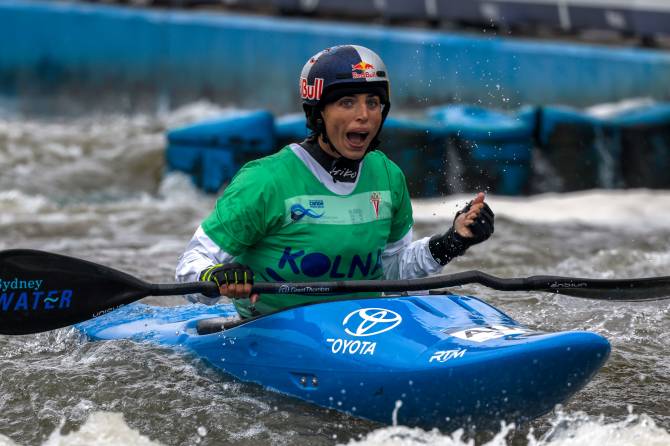
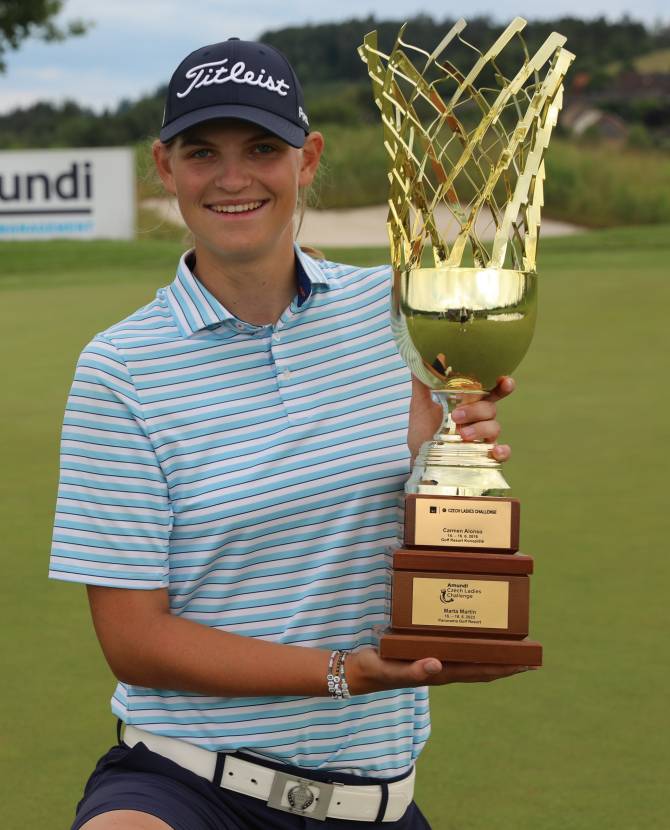
The CEO of Rounders England is calling for more to be done to highlight the professionalism, ability and technical excellence of elite sportswomen in order to ensure the progress made in promoting women’s sport continues to generate momentum. 
Natalie Justice-Dearn – who grew up representing Preston North End Boys’ Football club as a youngster in the 1980s - spoke to leading digital marketing agency AccuraCast about her growing frustration that top female athletes don’t always have their skillset and dedication to their chosen sport highlighted to the masses.
‘Women’s and girls’ sport are undoubtedly one of the biggest losers from the pandemic. Of course, it’s good that media do talk about the various stories connected with elite sportswomen, but I do think it’s frustrating that it’s often only about the back story.
‘Stories about male athletes versus female athletes are very different. The female athlete story tends to be about other things in her life, or adversity they’ve overcome, which is absolutely brilliant, but sometimes the story about how amazing, how powerful and how strong they are, highlighting their athletic ability, is forgotten. It was an issue before the pandemic, and it seems like we’ve gone backwards in that way,’ she added.
With more than 16 years’ experience in sports marketing, the topic is close to the heart of AccuraCast managing director Farhad Divecha, whose clients have included UEFA, Lord's Cricket Ground, ATP Tour and Tottenham Hotspur.
‘When you talk about men in sport, numbers are not hard to find, whether it be how quick an international cricketer is bowling, chance-to-goal ratio for a top striker in football or completed tackles in rugby by a machine-like back row forward. We laud that excellence, quite rightly, and I think it’s vitally important to apply the same logic for elite sportswomen too,’ he said.
‘It’s also a responsibility for marketers like me to try to create stories that centre on the elite performance of female athletes, and make sure those stories are told far and wide using social media. From the research we’ve done, sports consumption varies with age, with 60% of men and women in the 18-24 age bracket getting their news on social channels. This drops to around 40% between the ages of 25-44, and 32% in the 44-54 group. But as people in the younger demographics get older, the number of adults turning to social media platforms for their news will continue to increase,’ he added.
Mrs Justice-Dearn also believes that the sports industry has a responsibility to ensure young boys and girls only see sport, rather than women’s sport and men’s sport, when watching it on television or mobile devices.
‘I have two boys, and they’re very sporty and there’s no question that they will have opportunities to play all sorts of sports, but friends who have daughters perhaps don’t have access to as many sporting opportunities at such a young age. My responsibility is to ensure my boys grow up not seeing a difference when they watch sport – they don’t see ‘men’s football’ or ‘women’s football’, they just see football. We need that generation growing up not seeing a difference between male and female athletes.
Reflecting on her own sporting career, she recalls two incidents that she hopes will soon be confined to the history books.
‘I played football growing up, and played for Preston North End boys, and I just loved it. Newspapers used to do reports on kids’ football, and I was often included, but not because I was good player – it was because I was a girl, and the only girl. It was worse at school, boys and girls had segregated P.E lessons – the boys would be out playing football on the field, and the girls would have to play ‘skittle ball’. It was horrendous, and I hated it, so much so my parents wrote a letter to the school asking if I could play with the boys and pointed out that I played for PNE Boys and was used to competing with boys. The school and the headmaster didn’t appreciate the letter. He called me and my parents into his office and I can still remember my parents getting a roasting for encouraging me to play a ‘boys’ sport’, and that they shouldn’t be doing it. And that is still a problem today,’ she concluded.
About AccuraCast
Based in London, AccuraCast was founded in 2004 and is one of the longest-running independent search and social media marketing agencies in the UK. It has since grown to become the UK’s leading multilingual digital marketing agency. It specialises in social media marketing, search and programmatic display advertising, search engine optimisation and mobile internet marketing in all major global languages to sports businesses worldwide.
About Rounders England:
Rounders England is a non-profit sport’s governing body (NGB) in England.
Based in Sheffield it provides a structure for the sport from the Board, local deliverers and teams right the way through to individual members and volunteers.