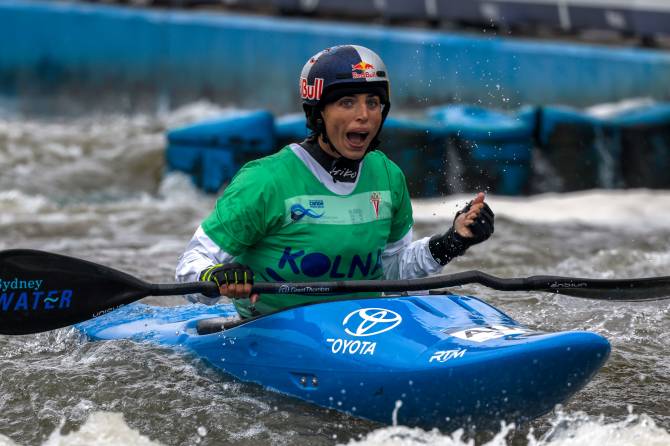
There has been an increasing level of awareness of the need to support an athlete's mental health and not just their fitness level. As an athlete, your state of mind can have a significant impact on your performance as well as your overall well-being.
Finding a good balance is essential for happiness and optimal mental health, which means scheduling time away from training and competition. It's a great way to avoid chronic fatigue and burnout while improving motivation and refreshing energy. If you find yourself facing one of life's most difficult situations like a divorce or the death of a loved one, give yourself time to grieve and consider searching online for "grief counseling near me." In the long run this can ensure you preserve your mental health, optimize performance, and even prolong your career.
A lack of rest can harm both physical and mental health, making it a must for any athlete to prioritize sleep. It's a must for performing at your best and reducing the risk of injury. Athletes who take part in intense training may need more than the typically advised eight hours. Aim for nine or ten hours to ensure your mind and body gets the high quality reset it needs to recover.
Whether you're a high school baseball player, a college football player, or an NBA star, if you spend a lot of your day on social media reading posts and comments about yourself, it can be incredibly stressful, especially when under a lot of pressure to perform well, which can harm your mental health. Research has suggested that the use of social media before and during a competition is linked to performance anxiety, but you're better off steering clear online trolls no matter what the day or time.
If you suffer from anxiety or depression, there are resources specifically designed to help athletes such as Athletes Against Anxiety and Depression (AAAD) which is dedicated to mental health advocacy. It offers a community you can turn to, sharing your stories so that others who may have similar stories can provide support. The organization also provides a wide range of other resources that can help.
Serious athletes who've made a career out of their sport are at risk of developing mental health issues once they can no longer take part in it. It's important to prepare for that next phase of your life by finding other non-sports interests that you'll be able to enjoy too. The risk for depression, anxiety, and other problems increases significantly if you haven't planned for your eventual retirement and/or have few outside interests and relationships.
As mental health issues are so common, among the general population and athletes, many are likely to experience them at varying degrees at some point. If you've overcome your own struggles, being a role model for others could help prevent needless suffering. Some ideas include talking about the symptoms to help 'normalize" them, promoting respectful behaviors, and challenging negative stereotypes.